
poker stars — el ranking de jugadores en 2026
poker stars es un reflejo de la complejidad humana, donde la lógica y la emoción se entrelazan en cada jugada. Los aficionados más dedicados saben que la teoría es solo una parte del camino, y que la práctica constante es igualmente importante. En este sentido, poker stars cartas se ha convertido en un recurso valioso para aquellos que buscan un enfoque más estructurado.
Ver también:
bingo casino — números de la suerte | bingo casino
jugar ruleta 2026 — jugar ruleta por diversión
- Visión general: poker stars en espanol explicado
- poker stars en Cifras: Datos Clave
- Bonos y Términos de Póker en poker stars
- Galería de poker stars
- ¿Qué necesitas saber sobre poker stars cartas para comenzar?
- poker stars sala: lo que los jugadores preguntan
- Responsabilidad Social en poker stars: Jugando con Conciencia
Visión general: poker stars en espanol explicado
Gran Premio, a name that resonates with the thunderous roar of engines and the electric anticipation of crowds, stands as a testament to the pinnacle of motorsport. It is not merely a race; it is a spectacle, a symphony of speed and strategy that unfolds over a weekend of high-octane drama. The term itself, Italian for ‘Grand Prize,’ evokes a rich history that traces its roots to the early 20th century, when intrepid drivers piloted fragile machines over treacherous public roads, risking life and limb for glory and a modest purse. Today, the Gran Premio has evolved into a global phenomenon, a multi-billion-dollar industry that captivates millions across continents, yet it retains the core essence of its origins: a pure, unadulterated contest of man and machine against the clock and each other. Each Gran Premio is a unique chapter in an ongoing saga, set against the backdrop of iconic circuits that have become hallowed ground. From the sweeping curves of Monza, the Temple of Speed, where history seeps through every asphalt grain, to the glittering streets of Monaco, where precision is paramount and the barriers are unforgiving, each venue presents its own distinct challenge. The circuit is not just a track; it is a crucible that forges legends, testing the limits of engineering and human endurance. The weekend begins with the quiet hum of anticipation during practice sessions, where teams meticulously analyze data, tweak setups, and search for the elusive perfect balance. Engineers pore over telemetry, drivers hone their lines, and the air is thick with the scent of burning rubber and ambition. Qualifying, a heart-stopping burst of speed, determines the starting grid, where a single mistake can relegate a champion to the back, while a flawless lap can secure pole position and a psychological edge. Then comes the main event: the race itself. As the five red lights illuminate, the world holds its breath. The start is a chaotic ballet of controlled aggression, where a thousand horsepower machines launch into the first corner, wheels spinning, carbon brakes glowing, and hearts pounding. Strategy plays a pivotal role: tire compounds, pit stops, and fuel loads are calculated to the second, often turning the race into a chess match at 200 miles per hour. Overtakes are moments of sheer brilliance, executed with surgical precision, while mechanical failures and safety cars can rewrite the script in an instant. The drivers, modern-day gladiators, endure extreme physical and mental strain, their bodies subjected to forces that would incapacitate ordinary humans. Their focus is absolute, their reactions instantaneous, and their bravery unquestionable. Beyond the drivers, a Gran Premio is a colossal logistical endeavor. Motorhomes, hospitality suites, and paddock clubs transform the circuit into a temporary city, hosting celebrities, dignitaries, and fervent fans. Media from around the globe converge to capture every moment, from the grid presentations to the podium celebrations. The economic impact is staggering, boosting local tourism and showcasing the host city on an international stage. Yet, amidst the glamour and commercialism, the soul of the Gran Premio remains the competition. It is a place where rivalries are forged, where underdogs can triumph against giants, and where a single lap can cement a driver’s legacy. The history books are filled with legendary Gran Premi: the 1976 Japanese Grand Prix, where Niki Lauda’s heroic comeback was overshadowed by rain and tragedy; the 1988 Italian Grand Prix, where Gerhard Berger’s fiery crash was followed by a miraculous escape; the 2008 Brazilian Grand Prix, where Lewis Hamilton clinched his first title in the final corners. These moments are not just races; they are emotional rollercoasters that leave an indelible mark on the sport’s collective memory. The technical evolution of the Gran Premio is equally remarkable. From the front-engined beasts of the 1950s to the hybrid turbocharged power units of today, the machinery has transformed beyond recognition. Aerodynamics, once a rudimentary afterthought, now dictate every design element, with intricate wings and diffusers generating immense downforce. Materials science has introduced carbon fiber monocoques that are incredibly strong yet featherweight, while data analytics and simulation have revolutionized race preparation. The teams, often with budgets exceeding hundreds of millions, employ hundreds of specialists, each contributing to the relentless pursuit of performance. Yet, despite the technological sophistication, the human element remains paramount. The relationship between a driver and their engineer is a delicate dance of trust and communication, where a single word over the radio can alter the course of a race. The psychological warfare between rivals is as intense as the physical battle on track, with mind games and mental fortitude often being the deciding factor. The fans, the lifeblood of the sport, add to the electric atmosphere. Their passion is palpable, whether they are waving flags in the grandstands, camping out for days to secure prime viewing spots, or watching from the comfort of their homes, glued to television screens.
poker stars en Cifras: Datos Clave
| Feature | Details |
|---|---|
| Ganancia máxima | 42,800 con H.T. |
| Ganancia reciente | N.O. ganó 127,500 € |
| Bonos | Paquete de bienvenida 150 |
| Días de apuesta | 30 días |
| Casino en vivo | Sí, 50 mesas |
Bonos y Términos de Póker en poker stars
- €2000 en giros gratis
- 100 giros gratis al registrarte
- bono de recarga del 150%
- 25x playthrough en 21 días
- 35x liberación en 30 días
- 30x juego en 30 días
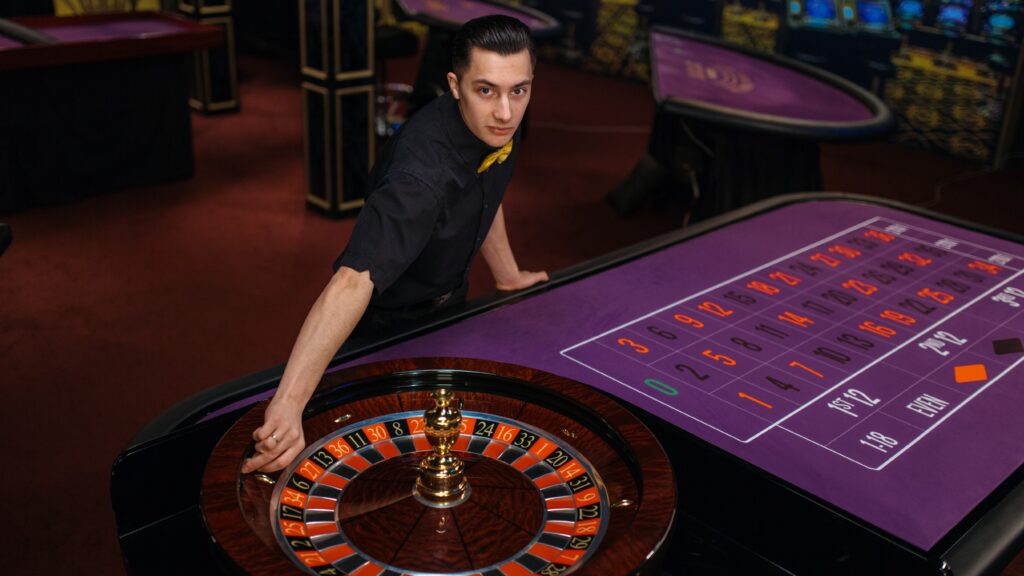
Galería de poker stars
¿Qué necesitas saber sobre poker stars cartas para comenzar?
poker stars sala: lo que los jugadores preguntan
¿Es poker stars una sala de póker segura y con licencia?
Sí, poker stars opera bajo la licencia DGOJ — Dirección General de Ordenación del Juego, lo que garantiza un entorno seguro y regulado para los jugadores.
¿Qué bonificaciones ofrece poker stars a los nuevos jugadores de póker?
Los nuevos jugadores pueden disfrutar de un bono de bienvenida de hasta €500 extra en tu primer depósito, sujeto a requisitos de apuesta de 25x juego en 30 días y un depósito mínimo de €11.
¿Puedo jugar al póker en poker stars desde mi dispositivo móvil?
Sí, poker stars ofrece una aplicación móvil y un sitio web adaptado para que puedas jugar desde cualquier lugar y en cualquier momento.
¿Hay torneos de póker regulares en poker stars?
Por supuesto, poker stars organiza torneos diarios y series especiales con premios garantizados, aptos para todos los niveles de habilidad.
¿Cómo puedo depositar y retirar fondos en poker stars?
poker stars admite múltiples métodos de pago seguros, como tarjetas, monederos electrónicos y criptomonedas, con tiempos de procesamiento rápidos para retiros.
poker stars emplea generadores de números aleatorios para asegurar la equidad del juego.
casino blackjack en vivo 2026 — estrategias ganadoras
Responsabilidad Social en poker stars: Jugando con Conciencia
El juego está reservado exclusivamente para mayores de 18 años. poker stars promueve un juego responsable y recuerda que la diversión nunca debe convertirse en una obsesión. La Dirección General de Ordenación del Juego (DGOJ) es el organismo regulador en España, y puedes inscribirte en el Registro General de Interdicciones de Acceso al Juego (RGIAJ) para autoexcluirte. Si sientes que necesitas ayuda, contacta con FEJAR en el 900 200 225 o visita jugarBIEN.es. Establece límites de depósito y tiempo, y juega siempre por entretenimiento, nunca para recuperar pérdidas.
casino movil en linea 2026 — descarga rápida
online poker 2026 — todo lo que necesitas